Monday, 31 October 2016

Sustainable Farming: Regulating the Use of Pesticides in Farms

Combating pests has been an age-long issue for farmers, including those that primarily grow forage for animal consumption. Over the years, the effort to ward off these organisms that feed on their crops have led to several innovations in farming and the introduction of pesticides.

Pesticides are chemicals used to protect plants from being damaged by weeds, fungi, or insects. It yields to tremendous benefits for farmers especially when it comes to quantity of crops produced. It has been an integral part in crop production as it reduces the risks of losses which can be caused by the aforesaid culprits.

Image source: healthtap.com

However, the excessive use of pesticides—particularly the artificial ones—can result in serious health problems among the farmers and the people around the farm. In addition to killing insects and bugs, it can also have an adverse effect on other organisms such as birds, fish, and non-target plants. Animals feeding on pesticide-treated fodder may also be adversely affected. Moreover, it can lead to soil and water contamination, if not poisoning.

In California, the Department of Pesticide Regulation (DPR) proposed to regulate the use of pesticide near schools and daycare centers. Aside from its aim to protect children and students, the regulation is also directed at increasing the communication between farmers and crop growers and schools to help facilitate better response to potential incidents.

The U.S. Department of Agriculture, along with some university researchers, is now looking at ways to combat pests by introducing predatory bugs. In Missouri, garden stores are selling ladybugs to customers that can be released to eat the aphids that plague tomato plants.

Image source: theecologist.org

Ben Putler, professor emeritus of entomology at the University of Missouri-Columbia, is leading a group of researchers to look into testing natural predators for other agricultural pests that destroy hectares upon hectares of farmlands. Other farmers are also trying out a new approach on conventional ways to ward off pests and insects from their crops through chickens which feast on insects and worms invading their crops.

Geoffrey Morell offers tours and classes of his farm. He co-owns the P.A. Bowen Farmstead, alongside Sally Fallon Morell. For inquiries, follow this link.

Thursday, 18 August 2016

Creating Greener Pastures: Building Soil From The Bottom Up

It is not visible to the naked eye, how dependent people are on grass. A good way to see this is through the food chain. Humans cannot directly get energy from the soil. They cannot get energy directly from the grass either. To simplify it, humans depend on grass because it is consumed by cows. Only then can humans get their energy.

Image source: blog.uvm.edu

That is precisely why building soil that is populated with grass lies within the interests of many farmers, who are under a huge amount of pressure to feed a growing population of people.

Having cattle graze on grass, for as long as this is managed well, is beneficial for the grass. It so happens that grass growth dynamics dictate that when several inches of growth are grazed, this calls on the plant to grow new leaves. This also signals the grass to grow new roots.

This way, grass actually becomes more dense, and when it cannot expand vertically anymore, it grows laterally, expanding its colony far and wide. When cattle inadvertently contribute their manure droppings, this process is even more optimized.

Building soil from the bottom up always starts with a narrow population of grass, the end product simply being a more expansive one. More grass means more cows to feed. More cows fed means more human beings will benefit.

Image source: thistledog.com

Geoffrey Morell raises livestock in P.A. Bowen Farmstead, which is known for having very green pastures for cattle grazing. To know more about the farm, visit this website.

Wednesday, 27 July 2016

Sustainable Agriculture Through Integrated Farming

Environmental and health concerns have been sweeping across societies and industries for a long time now. Safe and reliable food supply, energy efficiency, carbon footprint, climate change – all of these are concerns the agricultural sector also face.

Image source: calclimateag.org

The solution is a comprehensive approach that maximizes resources and minimizes waste: sustainable agriculture.

One way of practicing sustainable agriculture is adopting integrated farming. It is a holistic farm management system that imitates nature’s work in raising and taking care of plans and animals in the farm.

The framework involves utilizing organization and planning, human capital, energy efficiency, water usage and preservation, air quality management, soil management, crop nutrition and protection, livestock raising, health, landscaping, waste management, and pollution control.

In doing so, productivity is increased using the most natural means. Nutrients from organic matter are also optimized by being recycled and reused in farm activities. Diversity in the farm can also be achieved, giving rise biodiversity, and makes species more resilient to pests and weather.

Integrated farming has been gaining currency as its benefits are coming to light. And while there are still challenges involved in integrated farmning, these are also opportunities to put science and technology to work in the field.

Image source: nzdl.org

Geoffrey Morell’s P.A. Bowen Farmstead practices integrated farming techniques in its production of quality farm products. It also offers farm tours so visitors can learn about sustainable agriculture. Visit this website for more information.

Monday, 13 June 2016

The Upside: Making the Switch to Pasture-raised Eggs

The average consumer has had no other option but to eat eggs from battery-caged hens. In recent years, a number of poultry producers have chosen to raise their chickens in a pasture as concerns over the quality of market-produced feeds have posed a threat to their animals. Pasture-raised hens end up being more productive and laying richer and more nutritious eggs compared to their caged counterparts.

Caged hens are usually nutrition-deficient. They have lower levels of Vitamin E and Omega-3 required for their own sustenance. This is often attributed to genetically modified soy that comprise a huge percentage of their feeds.

Image source: Modernstead.com

On the other hand, pasture-raised chickens thrive on nutrients, as they are free to consume all grain, grass, worms, and insects in the inherent ecosystem of the farm. Thus, the eggs end up having 20 percent less cholesterol, 25 percent less saturated fat, twice the amount of Omega-3 fatty acids, thrice the amount of Vitamin E, seven times the amount of beta carotene and four times the amount of Vitamin D. It’s no wonder those who use these kinds of eggs for cooking have noticed richer and redder yolks.

Image source: Originegg.co

The other advantage to this is that the eggs weren’t given antibiotics and other supplements that could adversely affect the human body upon consumption. In the recent years, consumption of genetically modified foods led to an increase in allergic triggers. Now that many farms are advocating silvopastoralism, people now have an access to all-natural and all-organic poultry products.

Geoffrey Morell knows the importance of naturally grown livestock. They grow up healthier when raised the natural way, which makes them a better source of nutrients for the community. People can purchase his organic meat and dairy products in his farm, the P.A. Bowen Farmstead, and other select farmer’s markets. Visit the farm’s website for more information on the products.

Wednesday, 8 June 2016

The Wonders Of Rotational Grazing

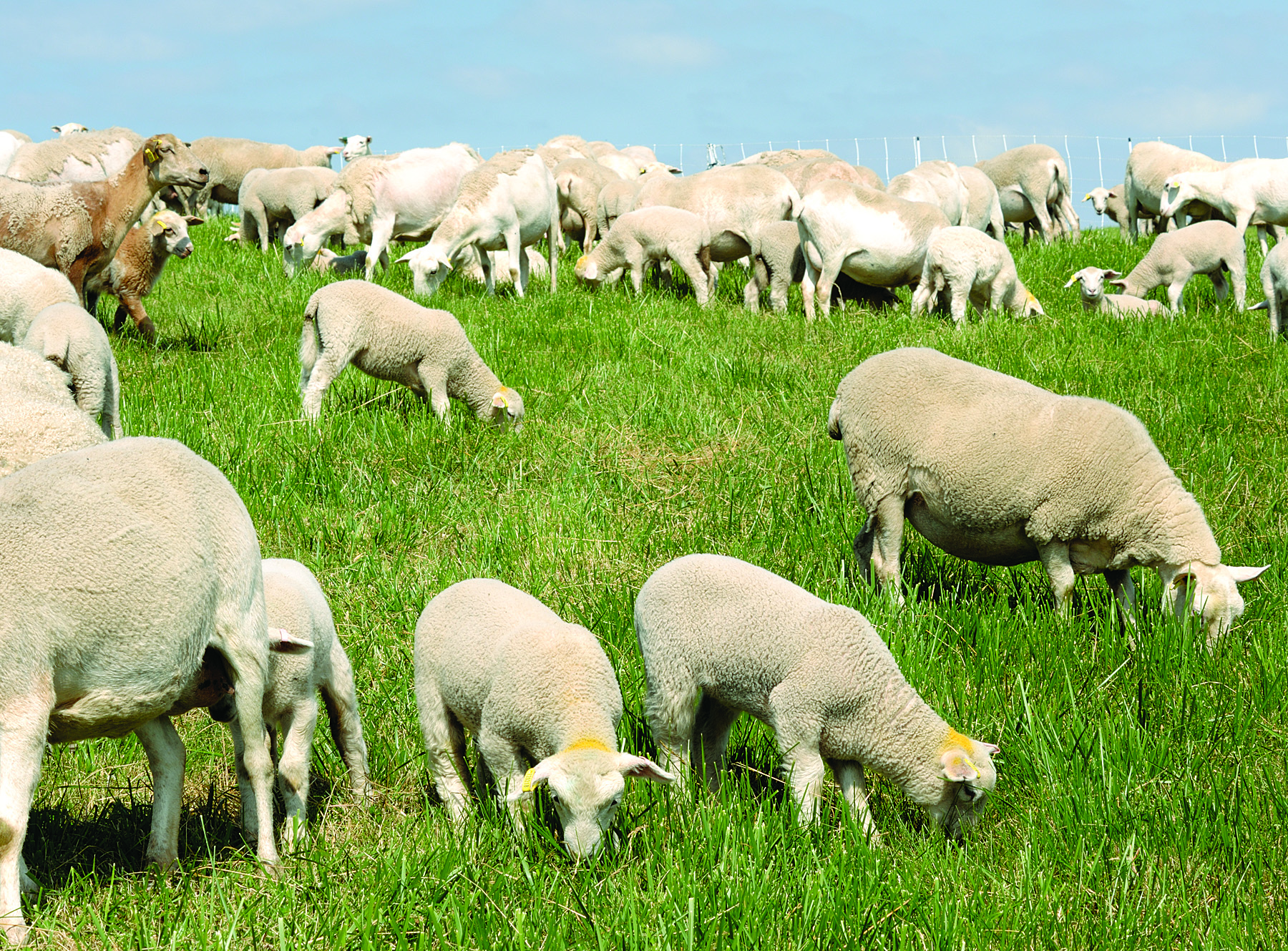
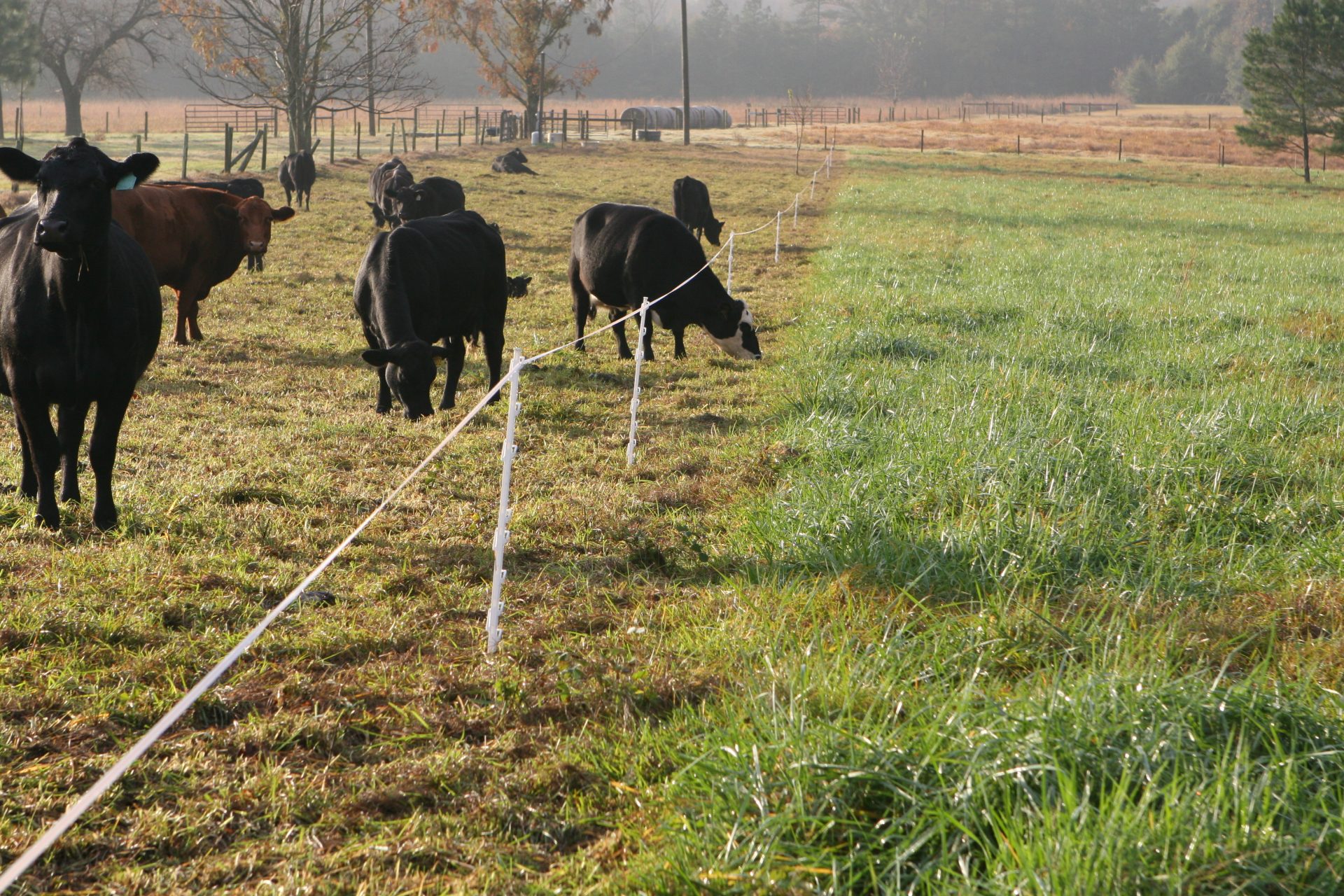
One of the biggest problems farm owners encounter is the failure of their greens to keep up with the foraging of their livestock. Most often, when this happens, entire fields go bald, and farm owners will need to wait a few days, maybe even weeks, before plant life returns. Enter rotational grazing, a practice where livestock is moved from section to section of the land to allow grass and other plants to grow back.

https://www.premier1supplies.com/sheep-guide/wp-content/uploads/2012/08/Adv-rotational-grazing-2.jpg
Image source: premier1supplies.com

It sounds simple, right? No, it isn’t.

Rotational grazing requires a lot of research. Farm owners should also take into account the needs of their animals. How much green can they consume? How often should they feed? How much land should be allocated for the first phase of rotational grazing? And so on and so forth.

But when successful and well-managed rotational grazing is achieved, it can work wonders on a farm. The quantity of forage will increase, and the quality of the green will improve as overgrazing is reduced. The quality of the soil also improves as it becomes more fertile and less susceptible to drought and its effects. Since it follows that livestock walk less over the ground in rotational grazing, soil is not as compacted as when the animals are overgrazing. Compacted soil is less fertile since it absorbs less water. And farm owners have control on giving the best grass to the best of the livestock.

http://onpasture.com/wp-content/uploads/2014/11/IMG_2525.jpg
Image source: onpasture.com

Geoffrey Morell shares with people the healthy way of eating. Co-founding the P.A. Bowen Farmstead with Sally Fallon Morell, Geoffrey has used rotational grazing to greatly improve the produce of his farm. In fact, all of the livestock are pasture-fed to attain the highest quality meat and dairy products. To find out more about farming, visit this website.