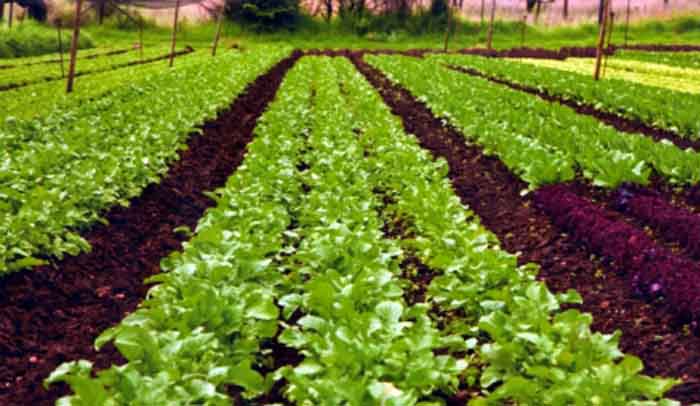
Whatever your diet preference is, opting to go organic is a truly great decision for a variety of reasons, primary of which are personal and environmental health. Here are more specific reasons why you should go all-out organic for your dairy and meat.
 |
Image source: theartofunity.com
|
One, organically grown foods offer more nutrients, from vitamins and minerals to enzymes and micronutrients. This is because, unlike commercially grown foods, organic farms manage and nourish the soil following sustainable practices. Consider this data: organically grown foods provide 21.1 percent more iron, 27 percent more vitamin C, and 29.3 percent more magnesium on average.
Choosing organic meat and dairy also helps us avoid harmful chemicals, most of which have been sadly approved for use by the EPA before extensive diet testing. Keep in mind that over 600 active chemicals are registered for farming use in the U.S. alone. This means that the typical non-organic food consumer gets an average of 16 pounds of chemical pesticides per year.
Going organic likewise means distancing further from genetically engineered (GE) food and genetically modified organisms (GMO). Since organic food cannot be genetically modified, it is the only way to prevent future health and environmental risks from the lab-replicated genes of GMOs. GMOs are taken from other plants, animals, and even viruses to give plants new characteristics like better resistance to insects or extreme heat. But there has yet to be a definitive study which can prove that GMOs do not harm both people and the environment.
Finally, organic foods taste much better, too, because well-nourished and well-balanced soil leads to healthier and tastier produce. There are even organically grown plants that are grown more for taste over appearance, particularly the heirloom varieties.
 |
Image source: wsj.net
|
Geoffrey Morell co-owns the P.A. Bowen Farmstead, alongside Sally Fallon Morell. He likewise co-founded the non-profit organization Weston A. Price Foundation, which does research on the best food source for farm animals. For more on alternative farming methods, drop by this blog.